His works form an archive of the unbelievable — yet they are nothing more than a record of fact.
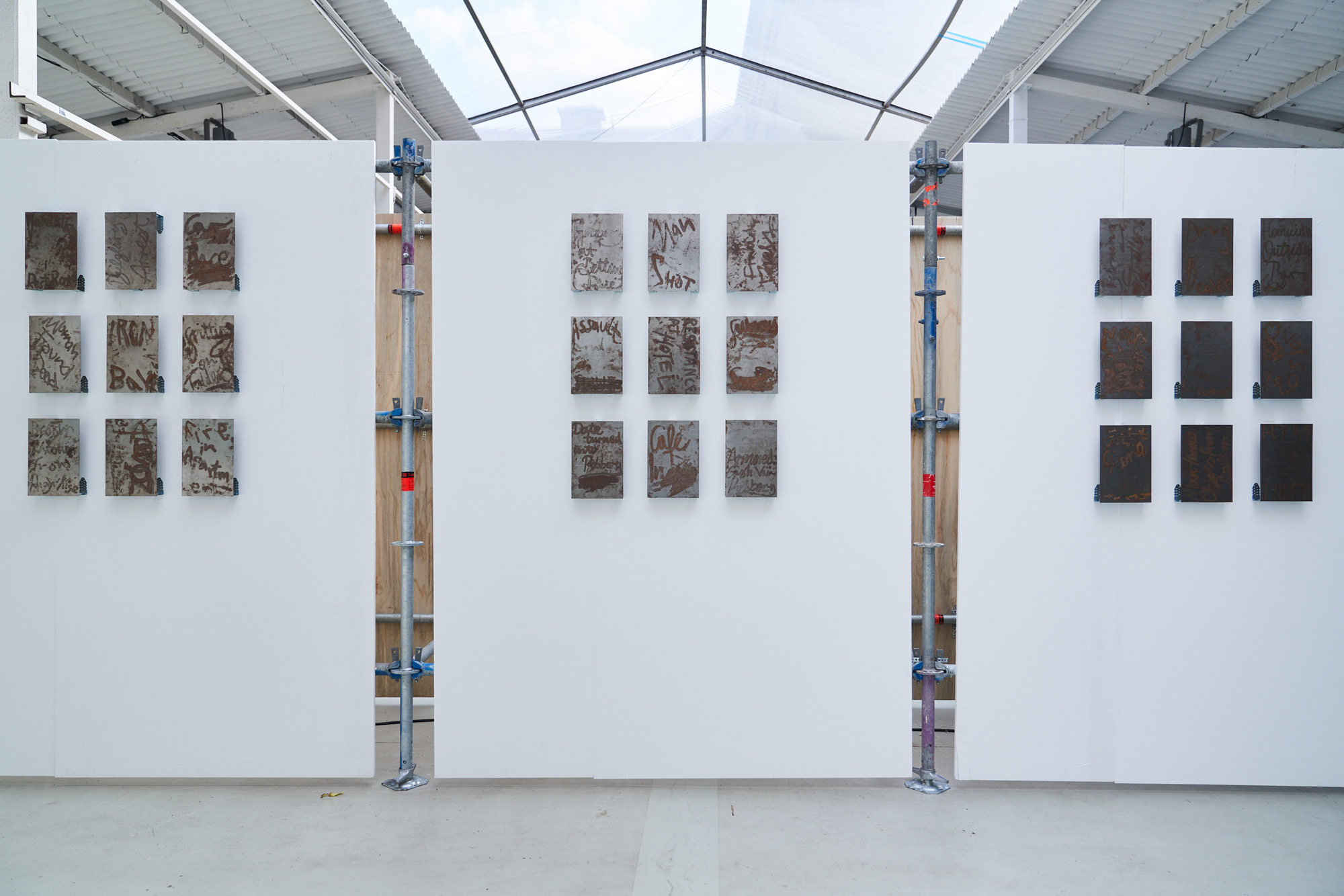
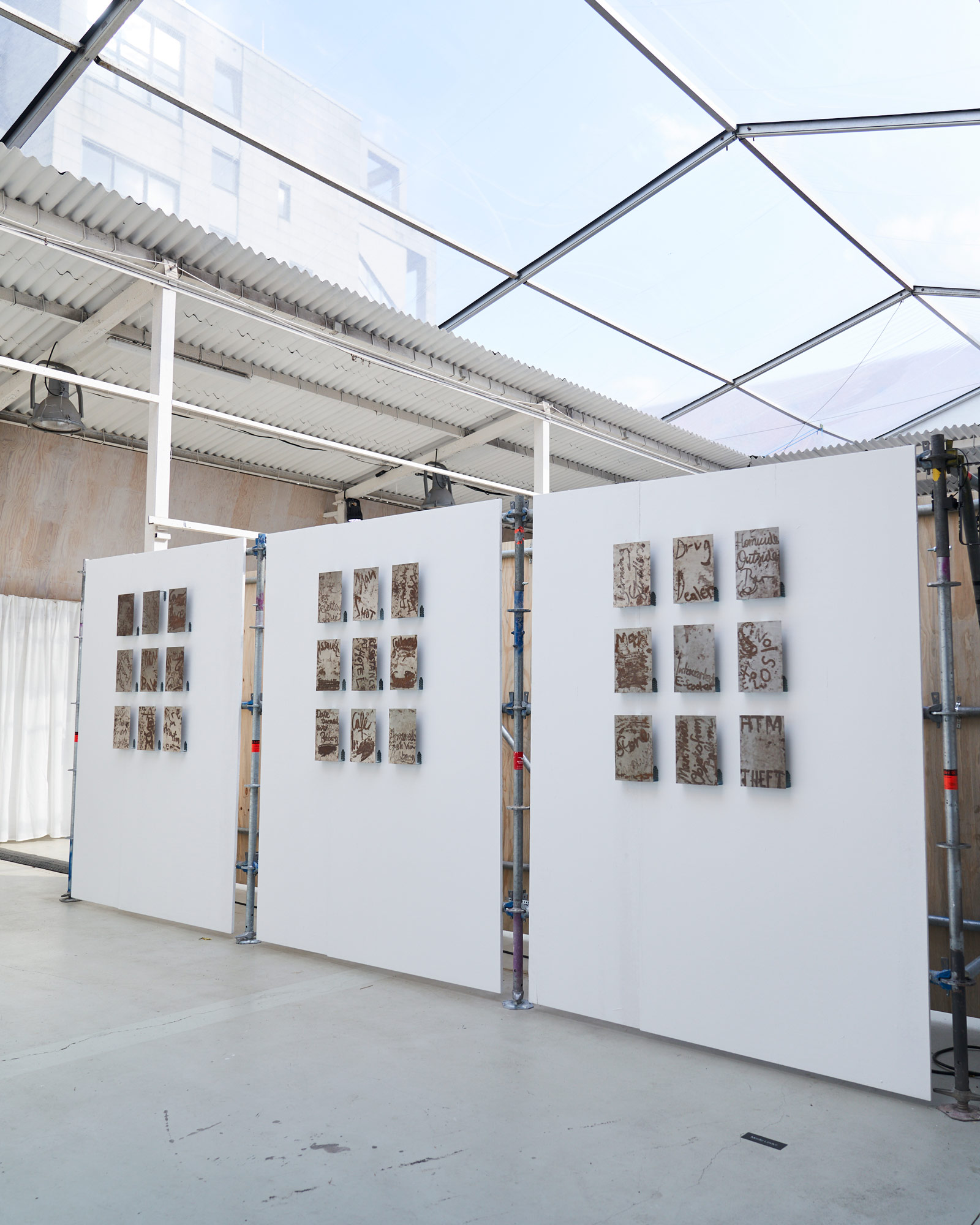
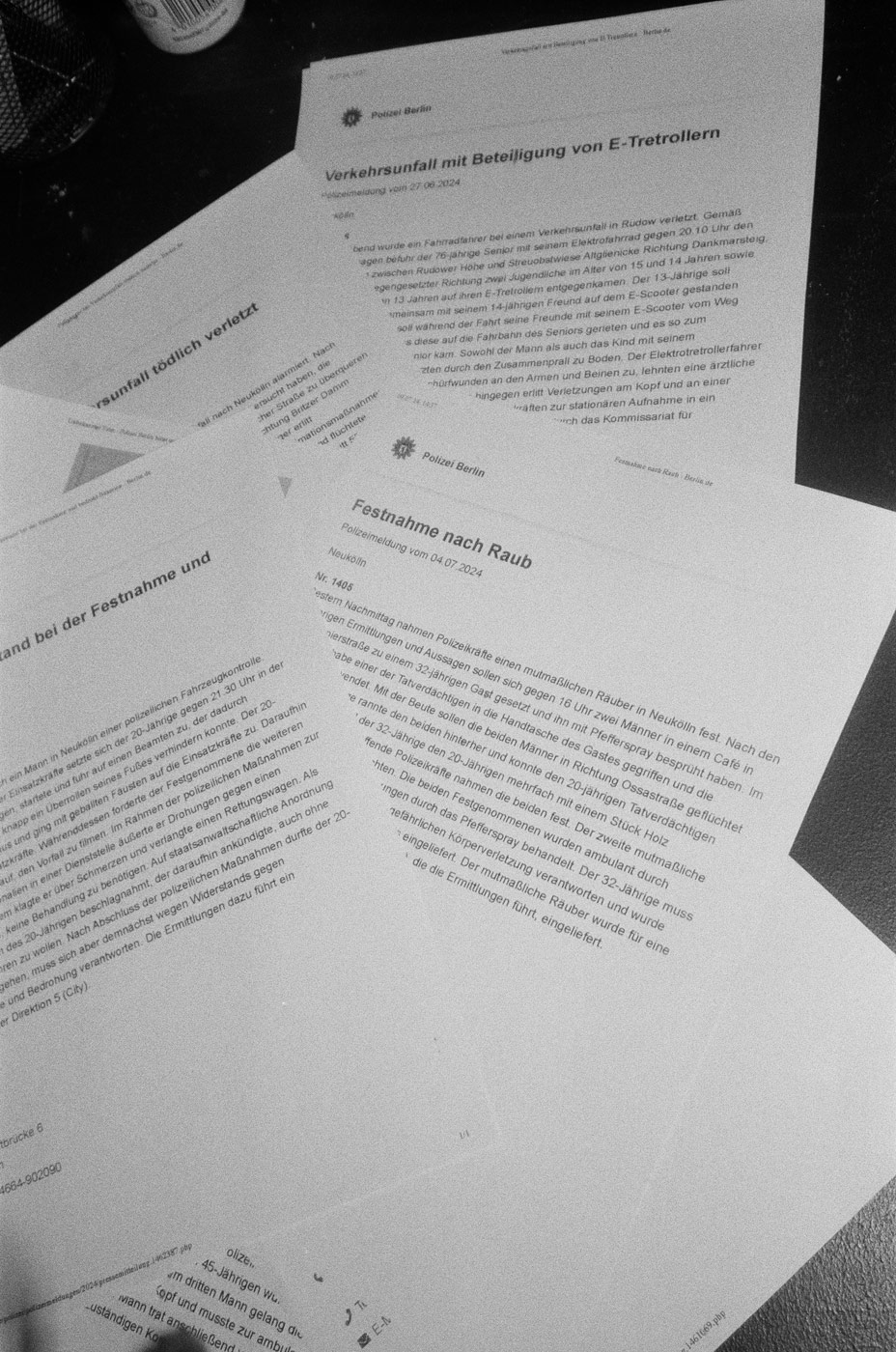
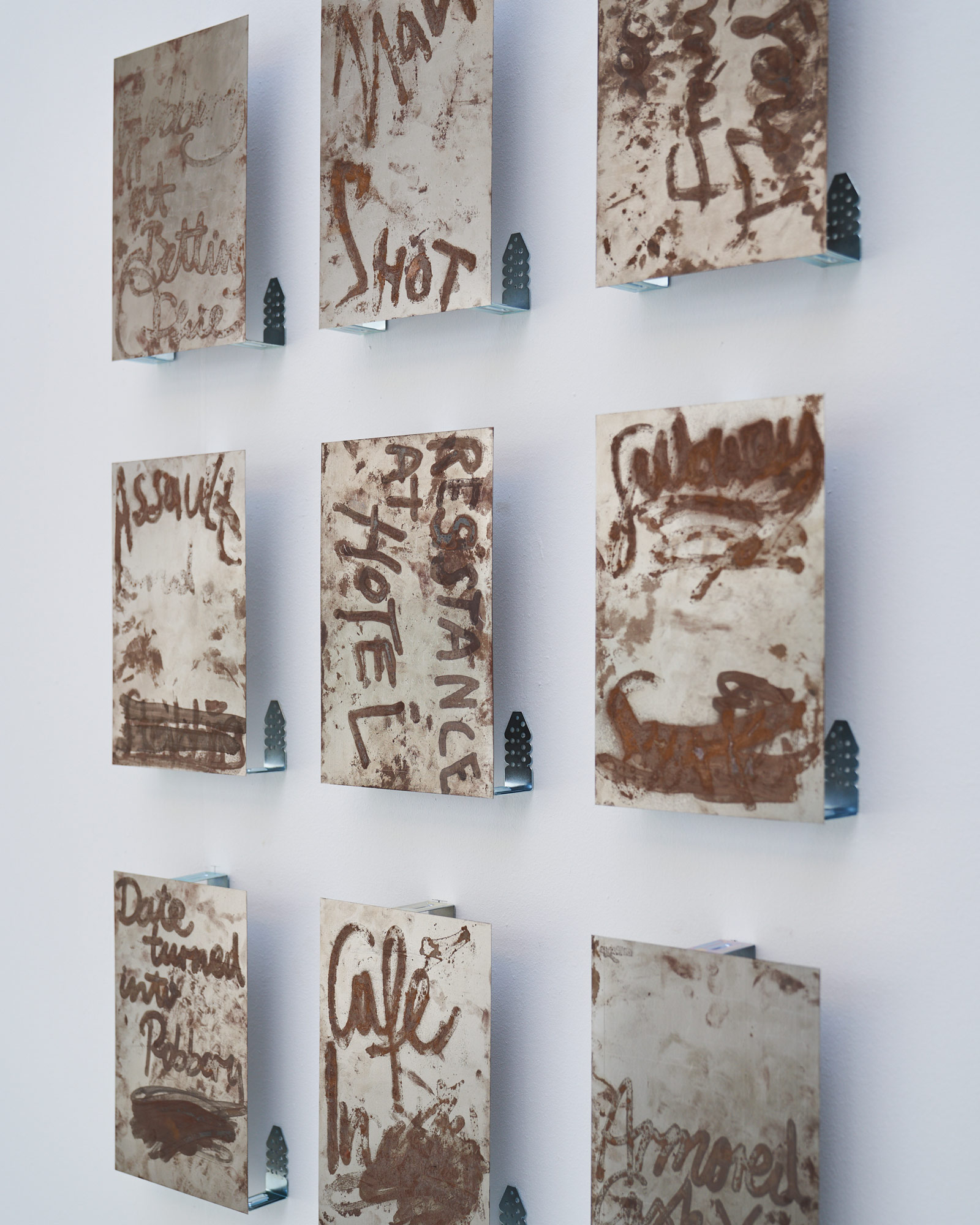
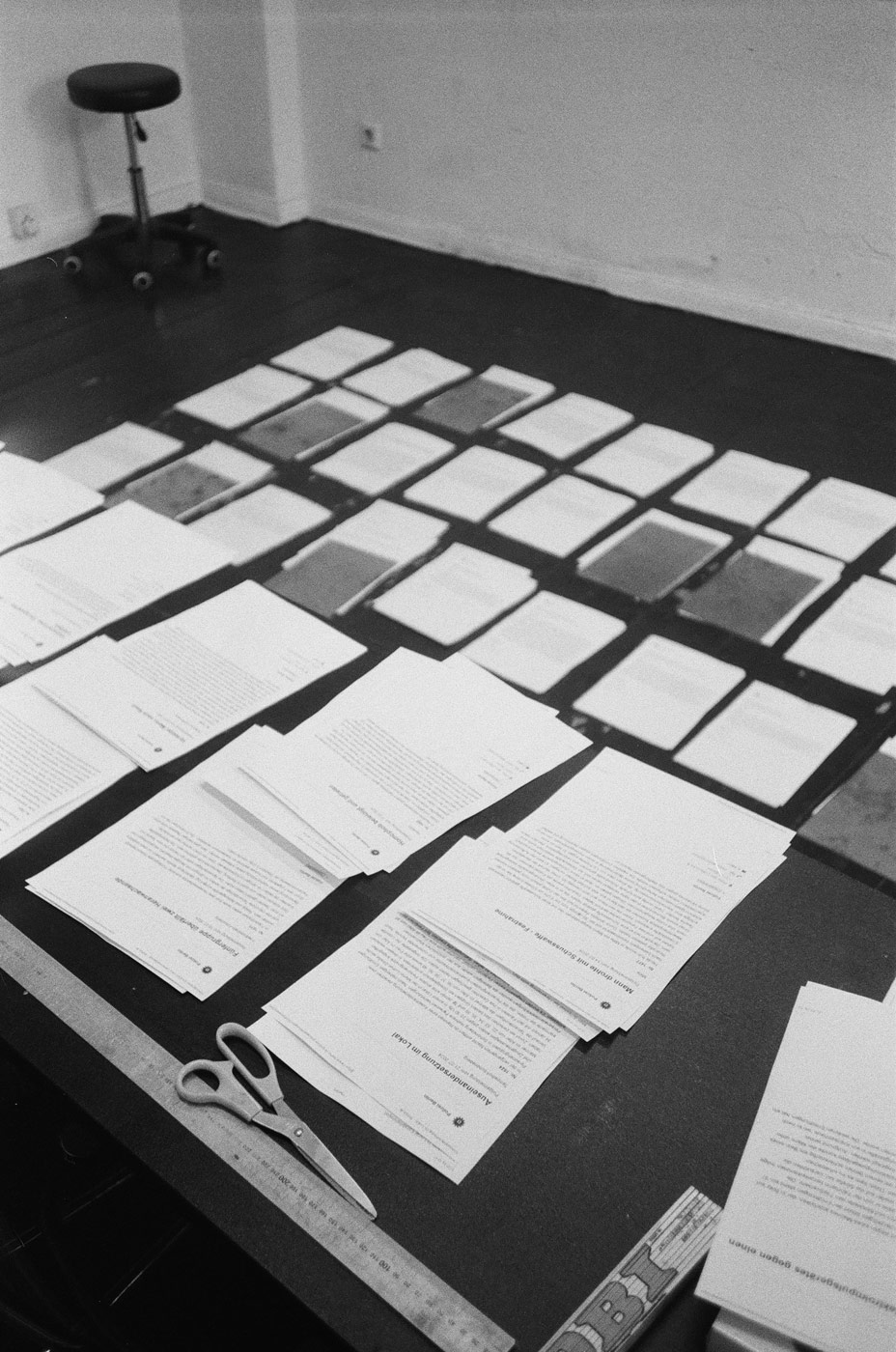
Moritz Lindur collected an entire year of Berlin police press releases. He sorted them, counted them, and displayed the thirty cases that repeated most frequently — no matter how banal they sounded. What initially reads as absurdity reveals itself, upon repetition, as structure: not exceptions, but patterns. Things that happen again and again, unnoticed, unquestioned.
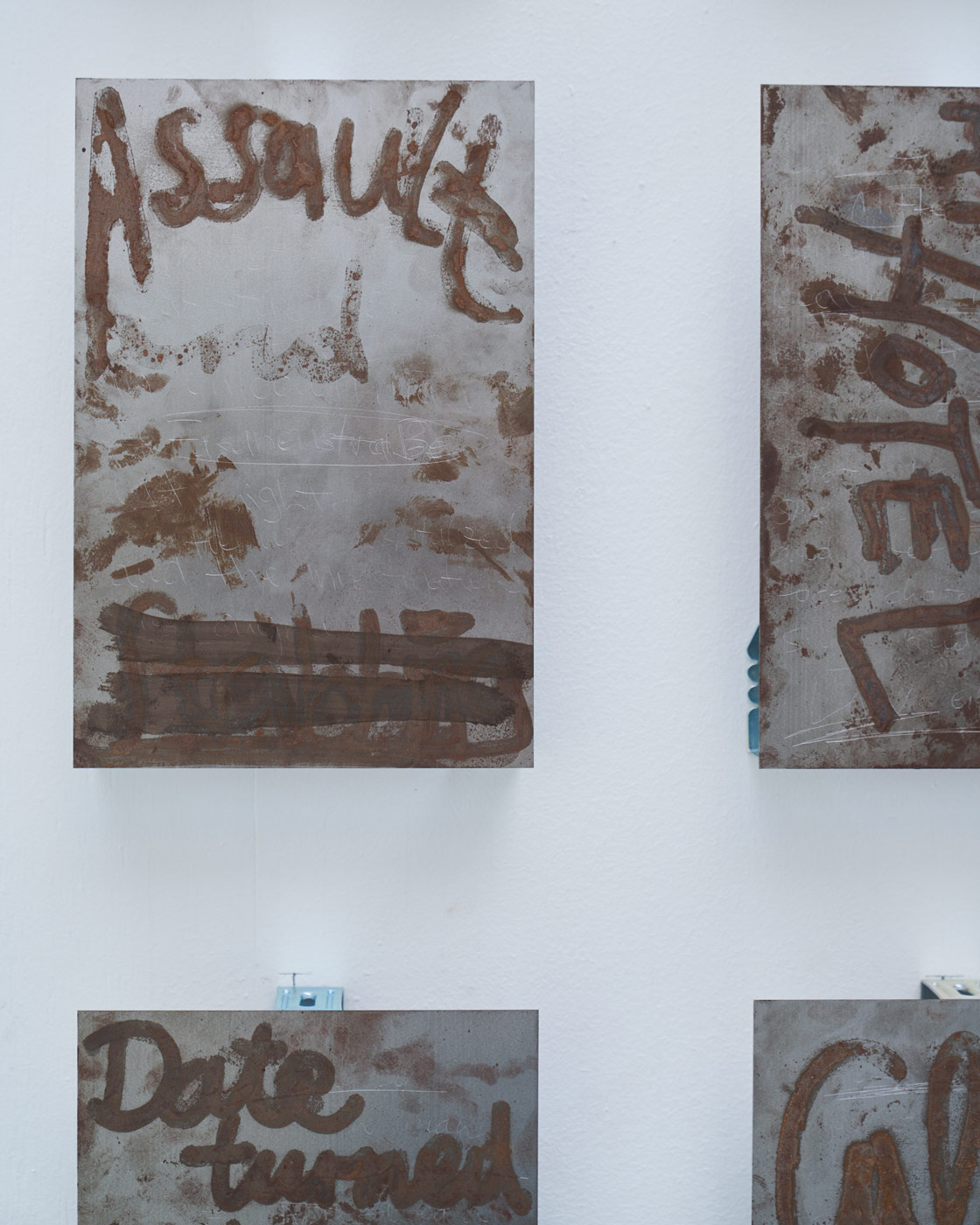
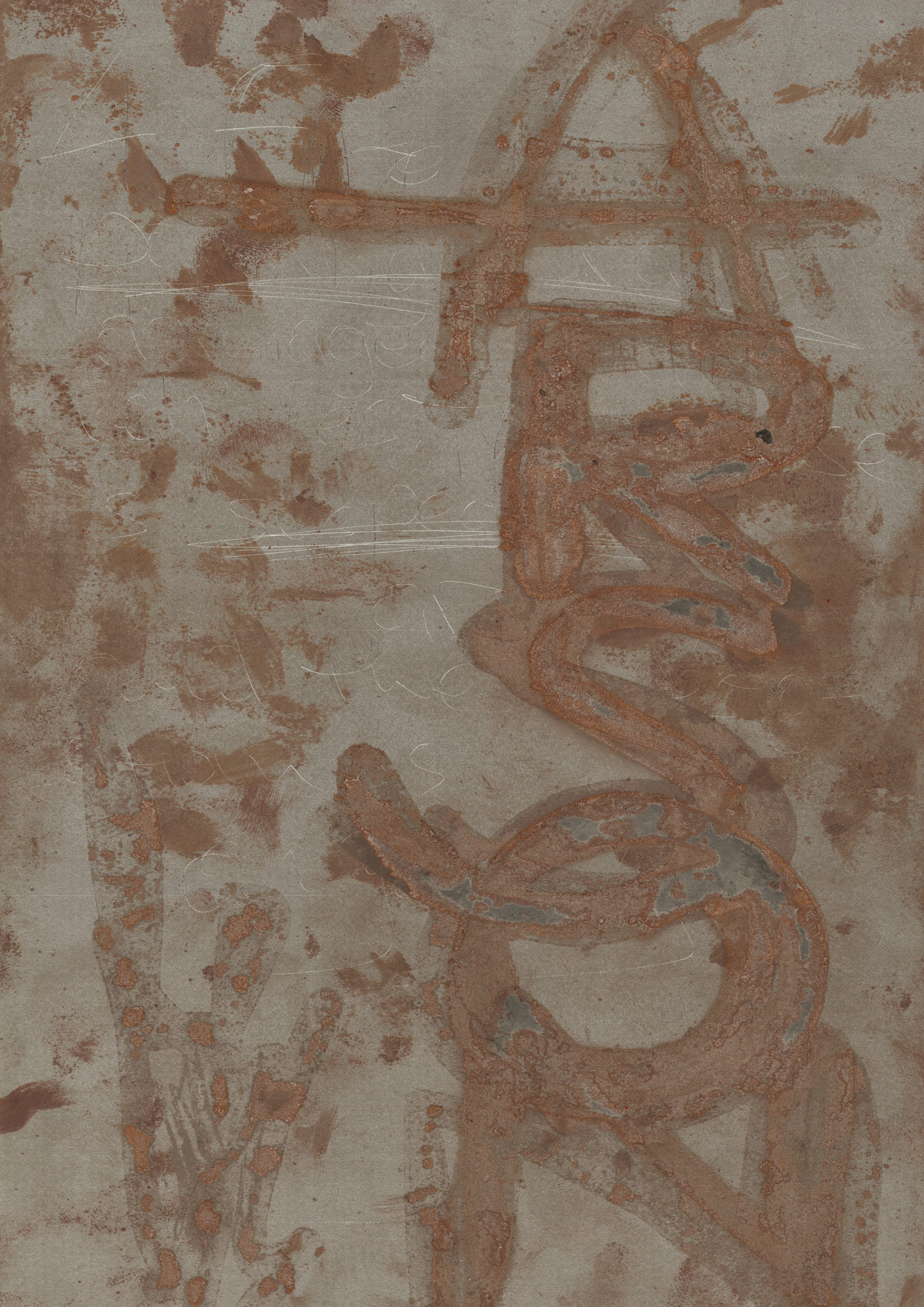
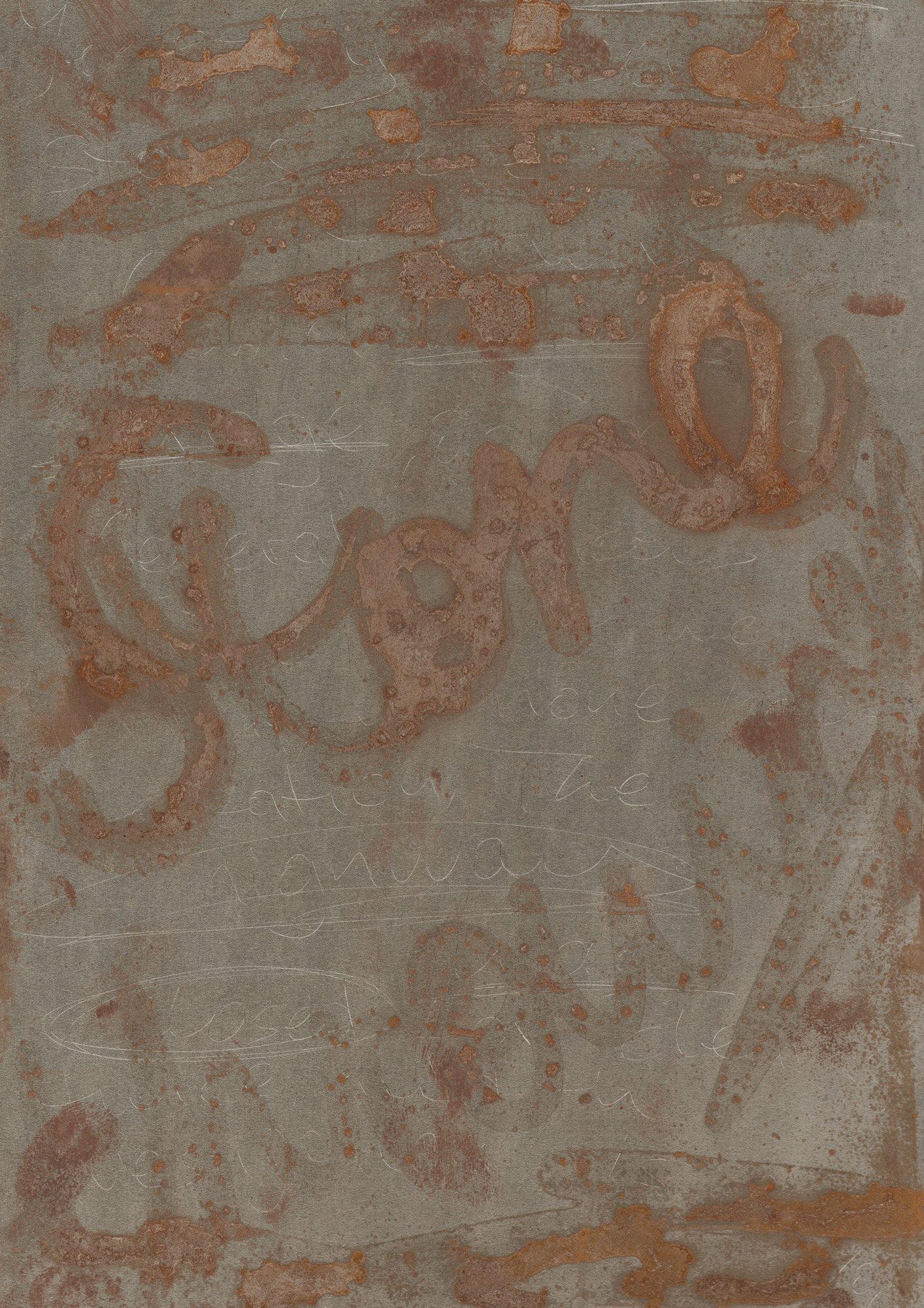
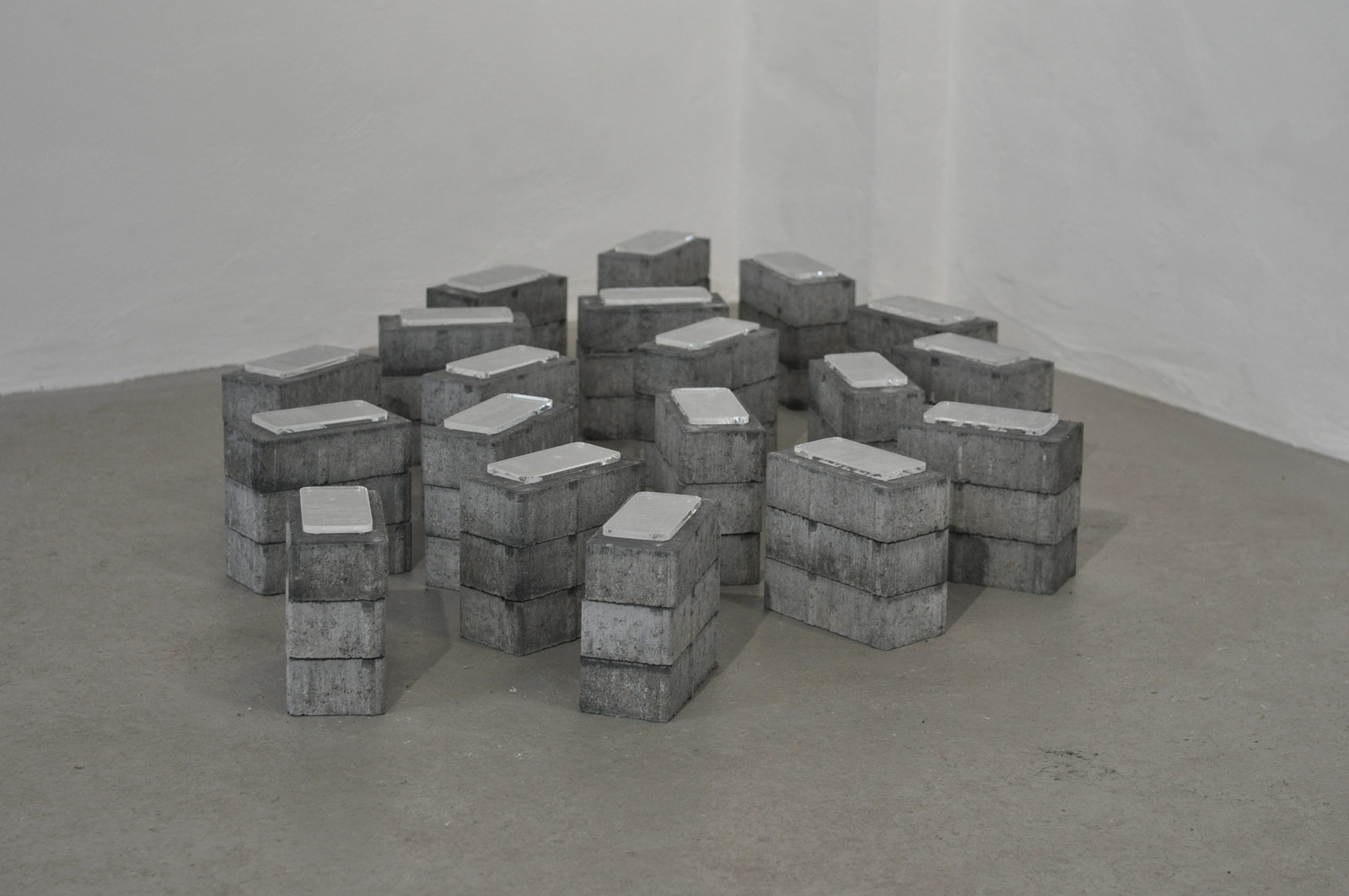
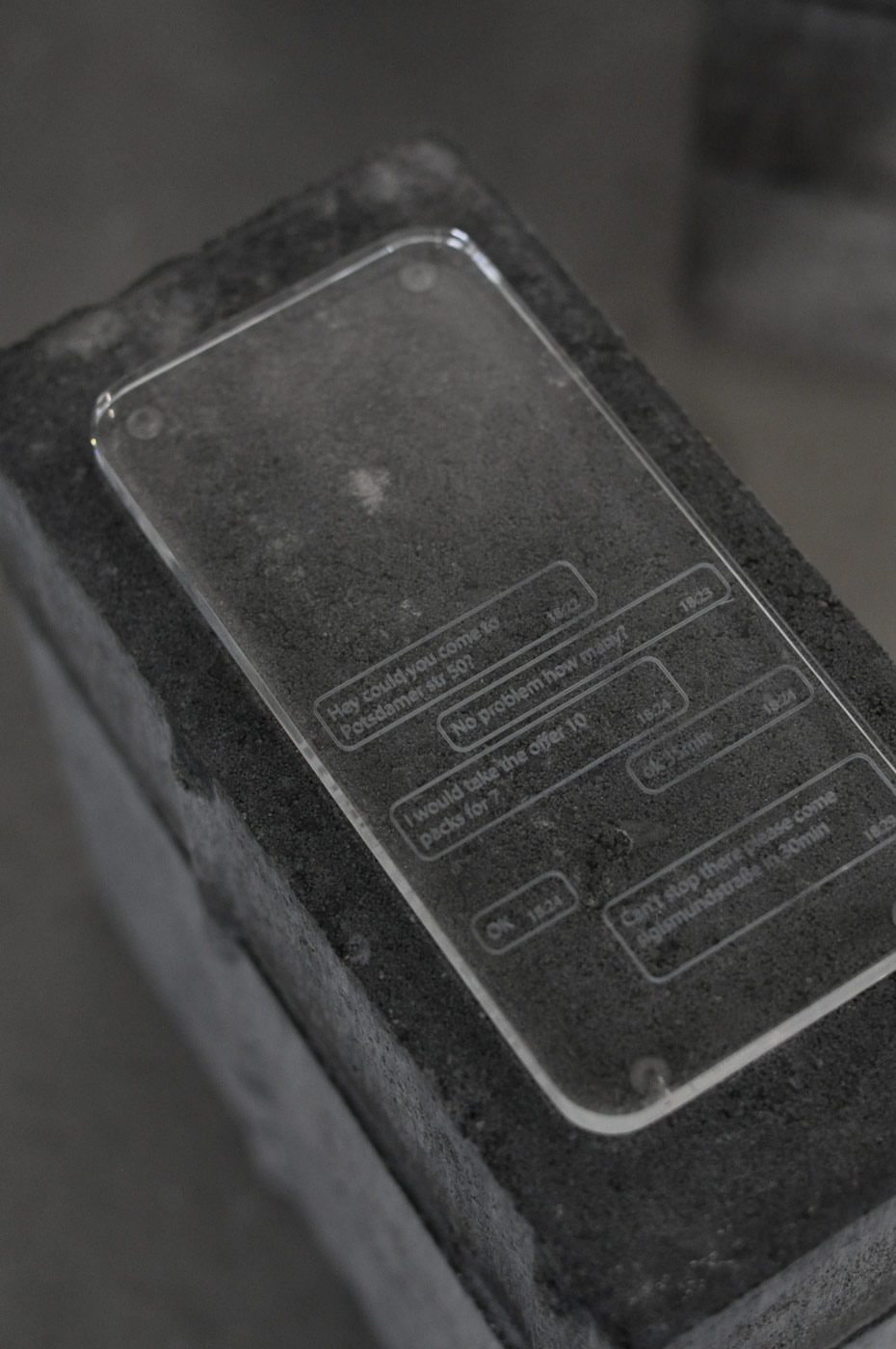
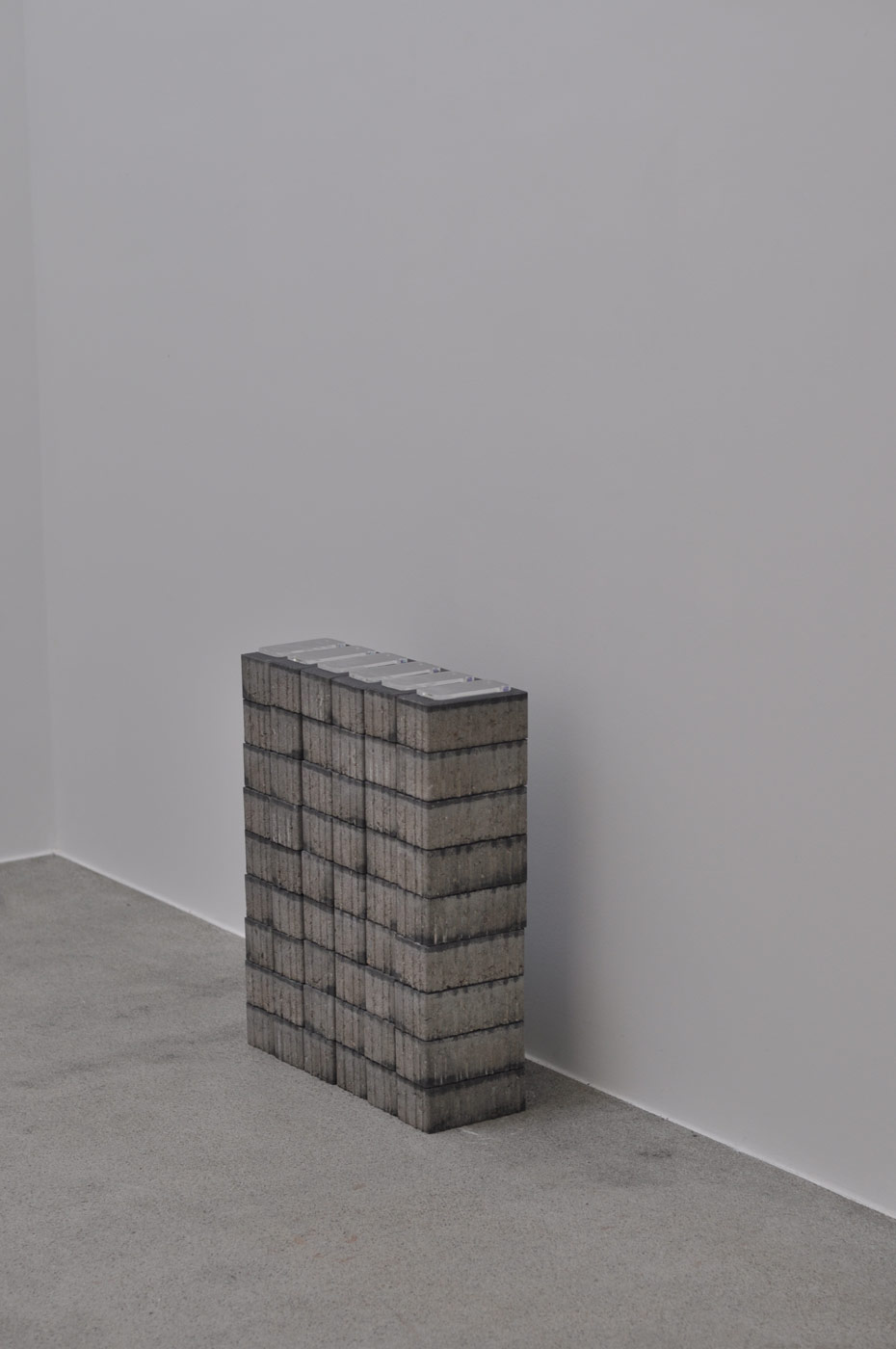
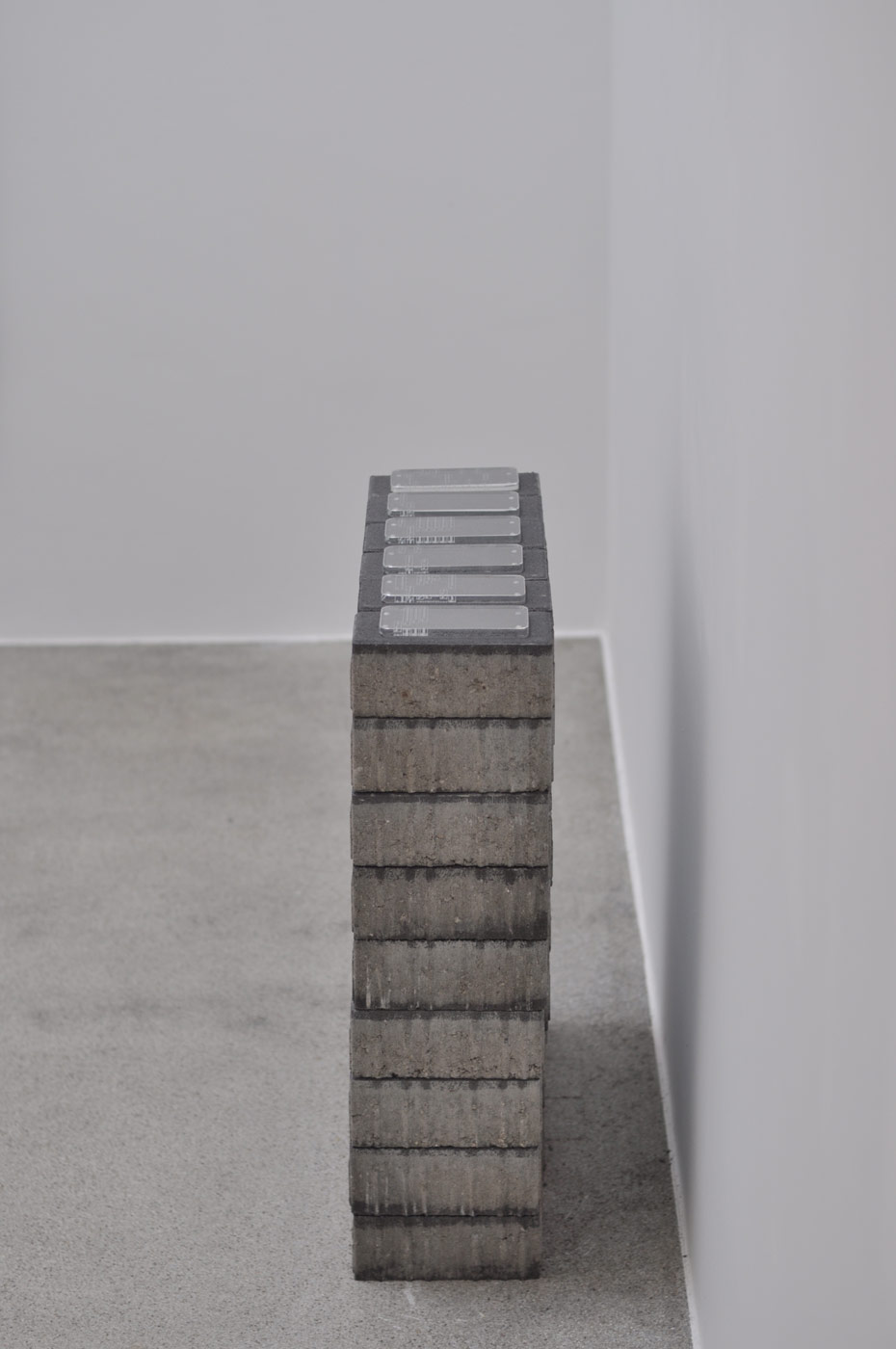
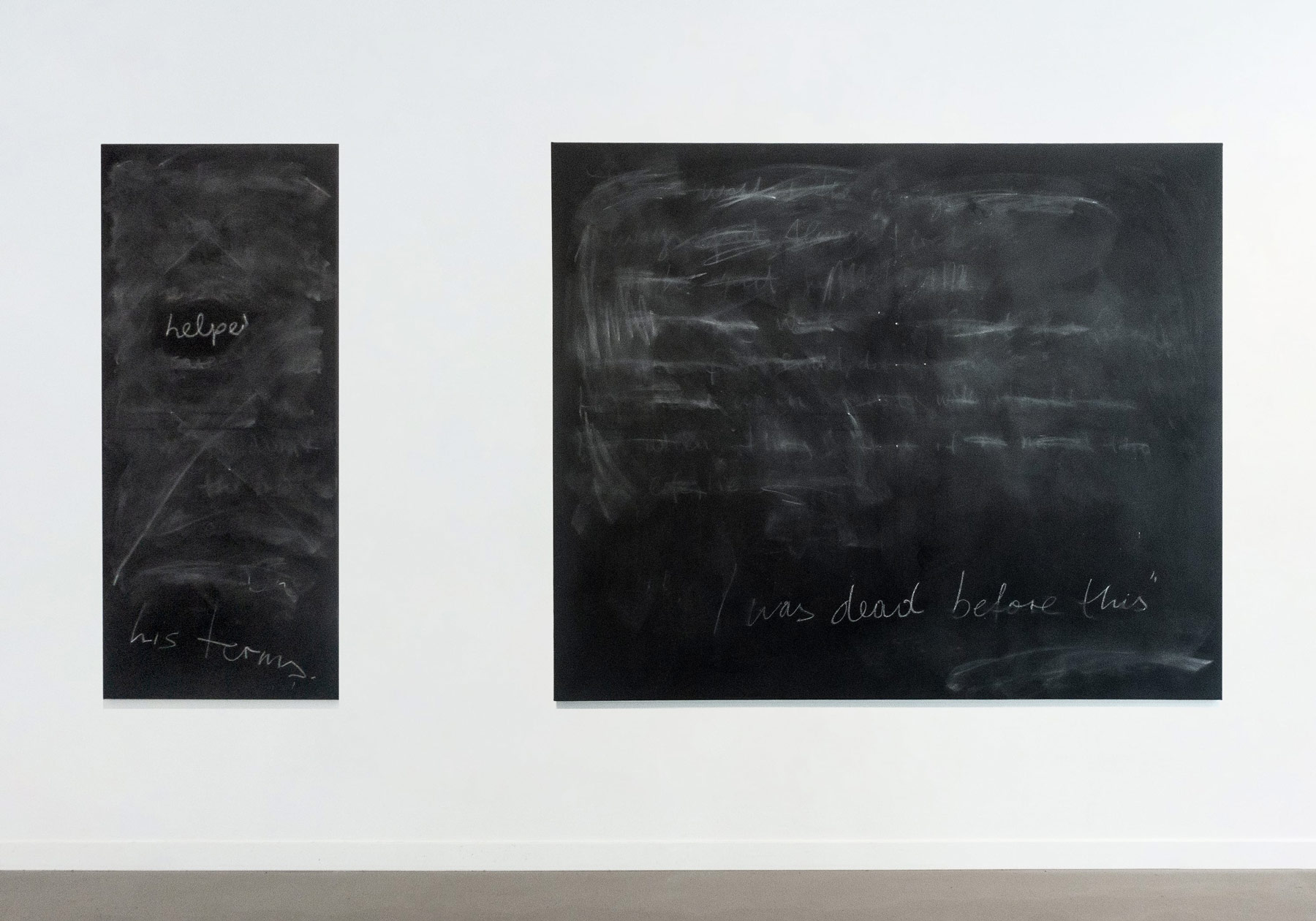
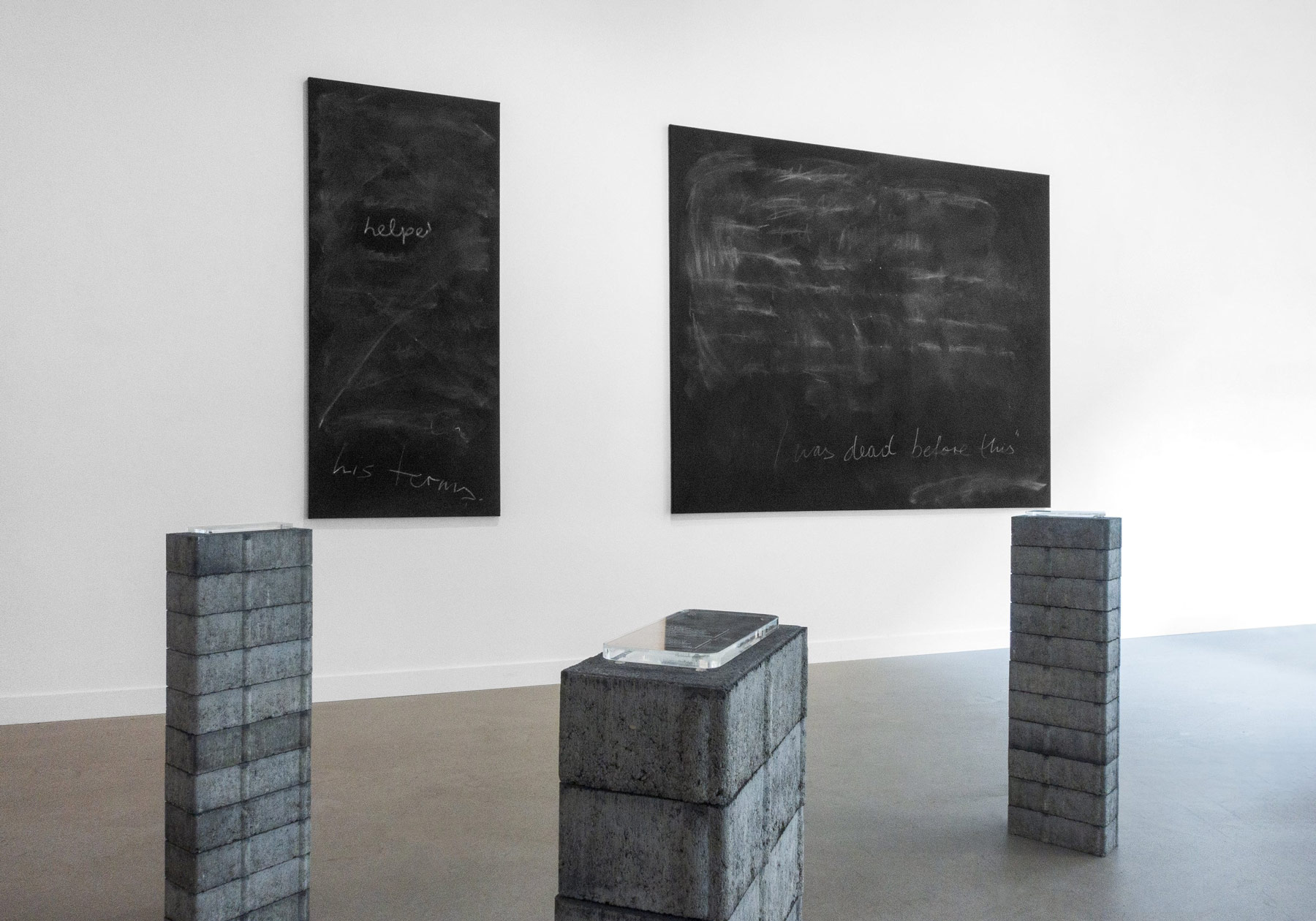
The works are engraved on metal plates — precise, permanent, almost ceremonial. The form promises gravity. The content delivers the unbearable ordinary. It is in this collision that the work operates.
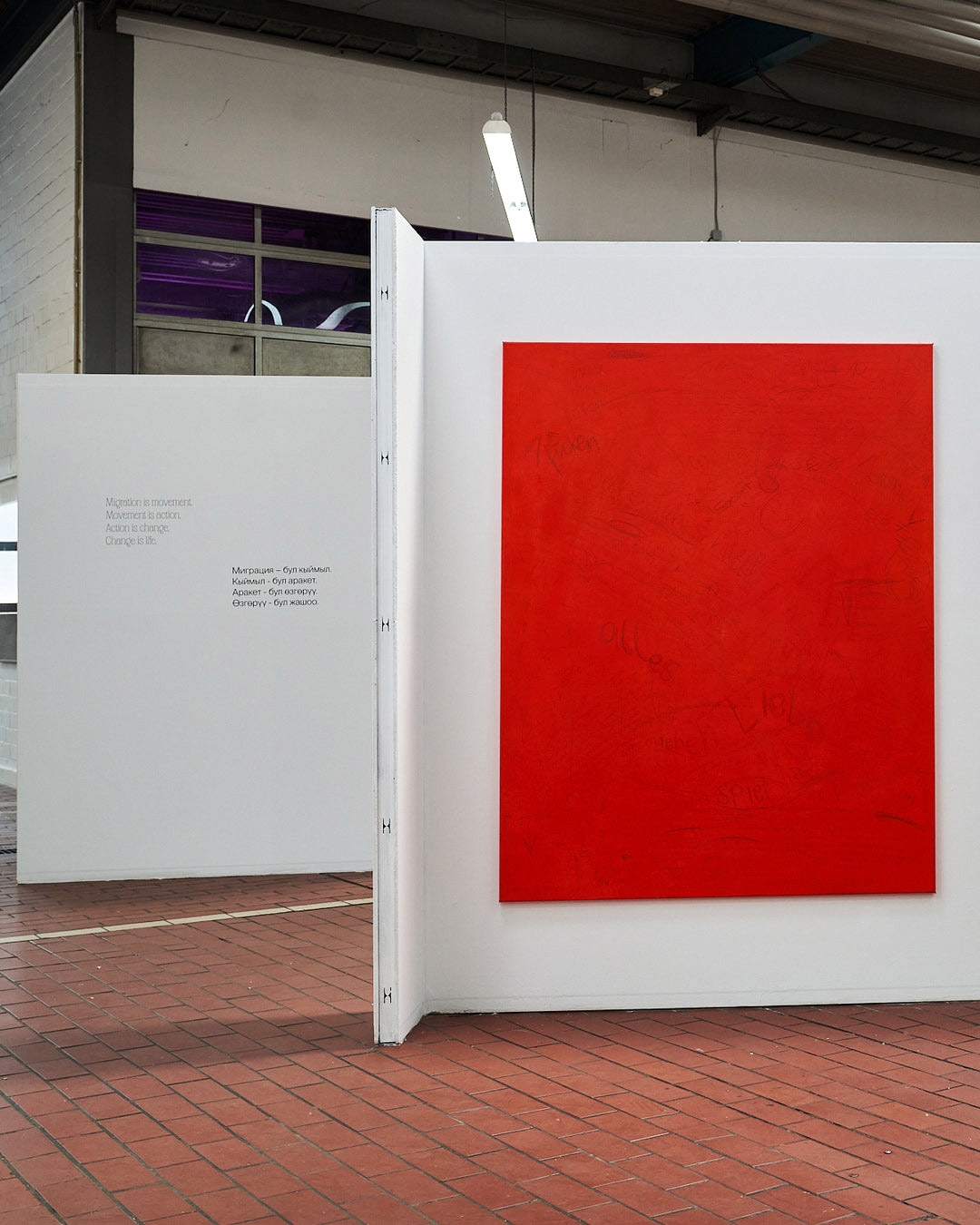
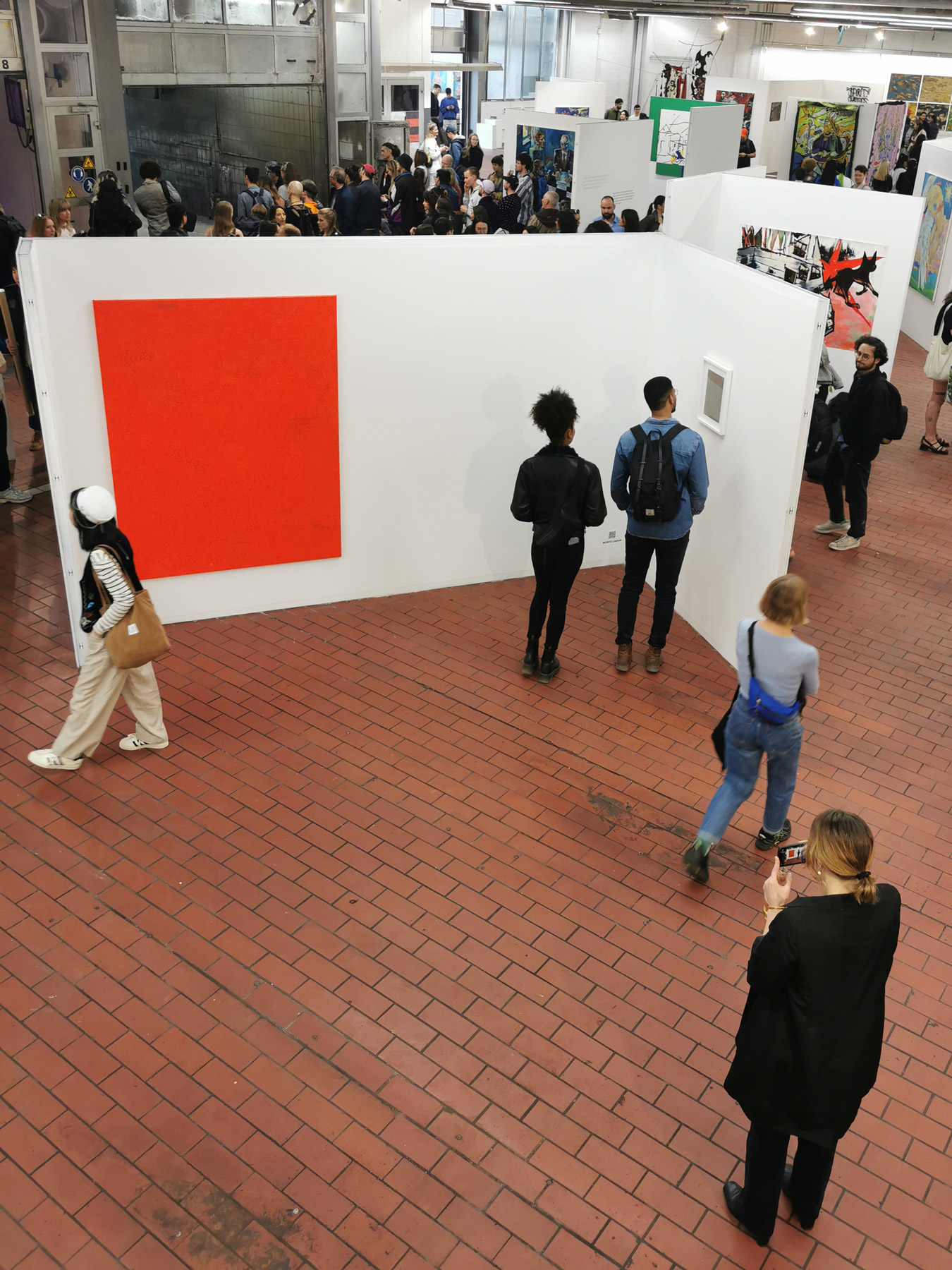
The exhibition's location was not incidental. Presented in direct proximity to Berlin's city hall, the work placed documented urban reality beside the political center responsible for it — quietly insisting that the distance between the two is smaller than anyone is willing to admit.


Seine Arbeiten bilden ein Archiv des Unglaublichen — und sind dabei nichts anderes als eine Aufzeichnung von Tatsachen.
Moritz Lindur sammelte ein ganzes Jahr Berliner Polizeipressemitteilungen. Er sortierte sie, zählte sie und stellte die dreißig Fälle aus, die sich am häufigsten wiederholten — egal wie banal sie klangen. Was zunächst wie Absurdität wirkt, entpuppt sich bei Wiederholung als Struktur: keine Ausnahmen, sondern Muster. Dinge, die immer wieder passieren — unbemerkt, unhinterfragt.
Die Arbeiten sind in Metallplatten graviert — präzise, dauerhaft, beinahe zeremoniell. Die Form verspricht Gewicht. Der Inhalt liefert das unerträglich Gewöhnliche. In dieser Kollision entfaltet sich die Arbeit.
Der Ausstellungsort war kein Zufall. Präsentiert in unmittelbarer Nähe des Berliner Rathauses, stellte die Arbeit die dokumentierte Realität der Stadt neben das politische Zentrum, das für sie verantwortlich ist — und bestand leise darauf, dass die Distanz zwischen beiden kleiner ist, als irgendjemand zugeben möchte.


His works form an archive of the unbelievable — yet they are nothing more than a record of fact.
Moritz Lindur collected an entire year of Berlin police press releases. He sorted them, counted them, and displayed the thirty cases that repeated most frequently — no matter how banal they sounded. What initially reads as absurdity reveals itself, upon repetition, as structure: not exceptions, but patterns. Things that happen again and again, unnoticed, unquestioned.
The works are engraved on metal plates — precise, permanent, almost ceremonial. The form promises gravity. The content delivers the unbearable ordinary. It is in this collision that the work operates.
The exhibition's location was not incidental. Presented in direct proximity to Berlin's city hall, the work placed documented urban reality beside the political center responsible for it — quietly insisting that the distance between the two is smaller than anyone is willing to admit.


Seine Arbeiten bilden ein Archiv des Unglaublichen — und sind dabei nichts anderes als eine Aufzeichnung von Tatsachen.
Moritz Lindur sammelte ein ganzes Jahr Berliner Polizeipressemitteilungen. Er sortierte sie, zählte sie und stellte die dreißig Fälle aus, die sich am häufigsten wiederholten — egal wie banal sie klangen. Was zunächst wie Absurdität wirkt, entpuppt sich bei Wiederholung als Struktur: keine Ausnahmen, sondern Muster. Dinge, die immer wieder passieren — unbemerkt, unhinterfragt.
Die Arbeiten sind in Metallplatten graviert — präzise, dauerhaft, beinahe zeremoniell. Die Form verspricht Gewicht. Der Inhalt liefert das unerträglich Gewöhnliche. In dieser Kollision entfaltet sich die Arbeit.
Der Ausstellungsort war kein Zufall. Präsentiert in unmittelbarer Nähe des Berliner Rathauses, stellte die Arbeit die dokumentierte Realität der Stadt neben das politische Zentrum, das für sie verantwortlich ist — und bestand leise darauf, dass die Distanz zwischen beiden kleiner ist, als irgendjemand zugeben möchte.


Selected Work